Affordable Bulk Deals for Makeup Pallet for Sale
The Complete Guide to Pallet Liquidation: Advice for Savvy Buyers
Pallet liquidation provides a distinctive advantage for purchasers looking for reduced-price stock. Grasping the complexities of this industry is critical for achieving results. From identifying reliable platforms to evaluating product conditions, the process requires careful consideration. Moreover, circumventing typical errors can considerably affect projected returns. As sellers examine the diverse methods for profitable reselling, they should remain conscious of the underlying dangers present. The following actions may shape their strategy for optimizing profits.
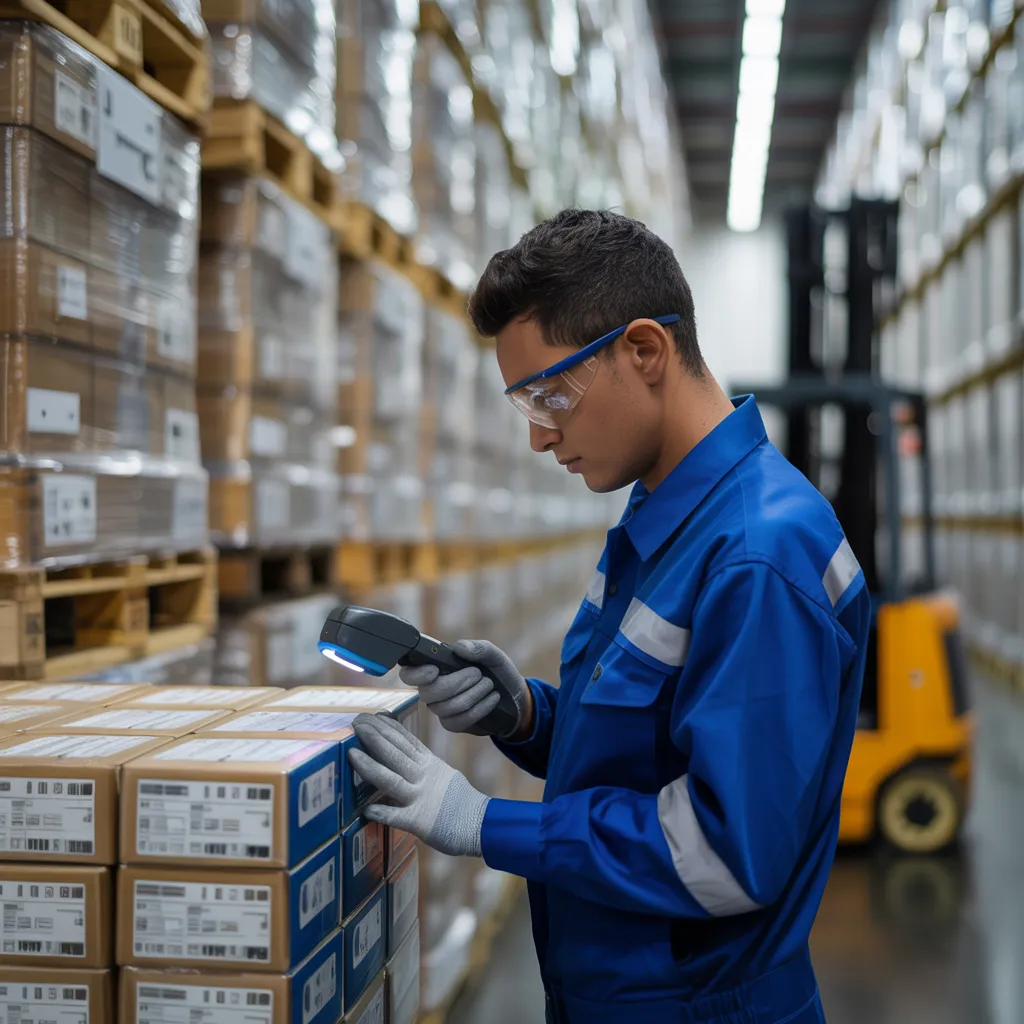
Pallet Liquidation Explained: What It Is and How It Works
Pallet liquidation functions as a practical solution for businesses to address overstock situations efficiently. This approach includes the sale of substantial volumes of unsold goods, commonly organized on pallets, to liquidators or resellers. Organizations managing excess or discontinued merchandise typically turn to liquidation to recoup a portion of their original investment.
Liquidation pallets can contain a wide variety of merchandise, including household goods, electronics, or clothing, acquired from a range of retailers. Individual entrepreneurs and small businesses, along with other buyers, purchase these pallets to resell the items at a profit.
The liquidation process often occurs through auction events or direct purchases, delivering a rapid answer for companies seeking to reduce their stock. Understanding the mechanics of pallet liquidation is vital for both sellers aiming to optimize their inventory management and buyers seeking profitable resale opportunities in a highly competitive industry.
Main Advantages of Purchasing Liquidation Pallets
When business owners look for affordable methods to supply their companies, purchasing liquidation pallets often emerges as an attractive option. A key advantage is the opportunity for substantial cost reductions, as these pallets are generally offered at a small percentage of their original retail price. This allows businesses to acquire inventory at low costs, enhancing profit margins.
Additionally, liquidation pallets often contain a diverse array of products, providing buyers with the option to supply a wide selection to their customers. This range can help attract multiple consumer segments and enhance sales.
Furthermore, sourcing liquidation pallet lots can produce exceptional finds, including discontinued or hard-to-source items, which can help a business stand out in the marketplace. In the end, the ability to quickly replenish stock through liquidation purchases can strengthen stock management and reaction to market changes. In summary, such advantages position liquidation pallets as an excellent opportunity for shrewd business professionals.
Choosing the Right Liquidation Platform: Essential Factors to Evaluate
Selecting the ideal platform for buying liquidation pallets is crucial for making the most of these budget-friendly inventory options. Buyers should consider several key criteria when selecting a platform. Initially, trustworthiness plays a significant role; reputable platforms find the information generally offer more consistent products and services. Next, transparency in pricing and fees helps buyers make informed decisions without hidden costs. Additionally, the variety of available products can greatly impact potential profits; platforms with diverse inventory often cater to different market needs.
Customer support is another essential factor; prompt assistance can help purchasers navigate difficulties. Ultimately, customer feedback and scores provide valuable information from fellow buyers, assisting in evaluating the trustworthiness of the marketplace. By evaluating these elements, shoppers can strategically place themselves to make wise purchases of liquidation pallets, securing a rewarding acquisition process.
How to Evaluate Liquidation Pallets Like a Professional
In the domain of pallet liquidation, thorough inspection and market research are essential for success. An expert approach commences with evaluating the quality of pallets before acquisition, ensuring potential value is recognized. Moreover, understanding the market value of items within these pallets can lead to informed decisions and better profit margins.
Check Before Purchasing
Evaluating liquidation pallets ahead of acquisition is vital for discerning buyers seeking to optimize their returns. A thorough inspection allows buyers to assess the quality and condition of the items included. First, they should identify visible issues, such as dents or broken packaging, which could indicate issues with the product. Furthermore, buyers must verify the number of items against the manifest, ensuring that nothing is missing. Buyers should also examine high-value items carefully, as these can significantly influence the return on investment. Finally, being aware of the return policy of the liquidation company can offer additional protection. By performing a careful evaluation, buyers can reach knowledgeable conclusions that boost their prospects for growth in the resale market.
Analyze Market Value
Upon finishing a comprehensive inspection of liquidation pallets, the following step entails assessing their commercial value. This important stage helps buyers determine potential profitability. To measure market worth, buyers should look up comparable products online by utilizing sites like eBay, Amazon, or dedicated liquidation platforms. Examining past sales can shed light on pricing trends and demand. Additionally, referencing trade reports and online forums can further illuminate the present market conditions. Buyers should also take into account elements like product condition, brand recognition, and time-of-year trends, as such factors significantly impact resale value. By carrying out careful market analysis, buyers can reach educated choices, ensuring they invest wisely and maximize their returns on liquidation pallets.
Key Mistakes to Avoid When Buying Liquidation Pallets
While many buyers are enthusiastic to plunge into the world of liquidation pallets, various typical missteps can cause frustrating buying experiences. A major mistake is neglecting to investigate the seller's credibility. Shoppers should check ratings and testimonials to ensure they are working with a reliable vendor. Moreover, failing to examine pallet manifests can produce unforeseen outcomes. Shoppers should consistently examine the product inventory to assess possible worth.
Another frequent mistake is neglecting to establish a budget. Impulse buying can quickly escalate costs, causing financial difficulties. Shoppers should likewise refrain from disregarding shipping expenses, which can significantly reduce profit margins.
Finally,many newcomers fail to account for the time and effort involved in sorting and reselling items. Proper planning and realistic expectations are essential to prevent disappointment. By steering clear of these missteps, buyers can enhance their liquidation pallet experience and make more informed decisions.
Effective Strategies for Reselling Liquidation Pallets
Profitably reselling liquidation pallets necessitates a strategic approach that goes beyond simply purchasing them. A savvy reseller begins by thoroughly evaluating the contents of each pallet, identifying items with potential resale value. Researching market trends and consumer demand can help pinpoint which products are likely to sell quickly and at a profit.
Next, developing an internet presence via channels like social media, eBay, or Amazon can significantly boost visibility. Developing attractive descriptions with clear, high-resolution images and detailed descriptions attracts prospective purchasers. Furthermore, setting competitive prices while factoring in shipping fees can generate swifter conversions.
Networking with other resellers can deliver useful perspectives and collaborative possibilities, boosting overall performance. Regularly monitoring inventory turnover enables resellers to adjust their approaches according to performance, improving their return on investment. By employing these strategies, resellers can effectively navigate the liquidation market and maximize their profits.
Spotting Risks in Pallet Liquidation: Essential Tips
In the world of pallet liquidation, pinpointing potential risks is vital for favorable outcomes. Important considerations such as evaluating product condition, examining seller reputation, and assessing shipping costs can greatly impact outcomes. By focusing on these areas, buyers can reach more educated decisions and lower potential risks.
Comprehend Product Condition
Assessing the condition of products is essential for those participating in pallet liquidation, as it has a direct effect on possible returns. Purchasers need to differentiate between new, used, and damaged items within the pallets. Unused items generally provide greater selling potential, while used items could necessitate maintenance or reconditioning. Defective items present considerable challenges, as they might fail to attract buyers or may result in economic drawbacks. A detailed examination of every product is vital, including verifying operational performance, visual defects, and missing parts. Moreover, knowing the return guidelines of vendors can provide further insight into potential risks. By accurately evaluating item quality, purchasers are able to make educated determinations, consistently improving their gains and limiting unnecessary losses in the pallet buying experience.
Investigate Seller Credibility
A detailed knowledge of product condition sets the stage for another vital component of pallet liquidation: investigating seller credibility. Purchasers should look for sellers who have demonstrated consistent reliability and transparency. This includes checking online reviews, testimonials, and ratings from previous customers. A trustworthy seller typically offers precise descriptions of their pallets, accompanied by thorough photographs. Furthermore, participating in forums or social media communities focused on pallet liquidation can provide useful information about prospective sellers. Buyers must also be alert to sellers who are unclear about their policies or historical performance. By diligently evaluating sellers, buyers can lower risks and increase their prospects for successful purchases in the pallet liquidation market.
Analyze Shipping Costs
Shipping expenses can significantly affect the total profit margins of liquidation pallet buying. Buyers must carefully evaluate these expenses, as they can differ considerably based on copyright, distance, and load size. A thorough understanding of potential shipping fees helps buyers reach well-informed conclusions when choosing pallets. Furthermore, unanticipated extra charges, such as fuel surcharges or handling costs, can drive up overall costs even more. It is critical to collect shipping rates from multiple carriers to compare rates effectively. Shoppers may also want to look into nearby pickup arrangements, which may lower expenses and minimize risks associated with extended-distance freight. Ultimately, calculating shipping expenses accurately guarantees that buyers maintain profitability in their pallet liquidation operations, making it an essential element of the buying process.
Common Questions and Answers
How Can I Determine the Value of a Liquidation Pallet?
To establish the overall value of a liquidation pallet, assess its merchandise, study current market prices, consider condition and demand, and estimate projected resale returns. Thorough evaluation guarantees knowledgeable purchasing decisions and maximizes overall potential returns.
Am I Able to Return a Pallet if I'm Unhappy With It?
Most liquidation pallet purchases are final, and returns are typically not accepted. Purchasers are advised to thoroughly examine the terms and conditions prior to buying, so they are well-informed about the associated risks and the likelihood of encountering unsatisfactory products.
What Categories of Products Are Generally Available in Liquidation Pallets?
Liquidation pallets typically feature a diverse range of products, including home goods, electronics, toys, clothing, and appliances. The exact products differ depending on the retailer, but buyers can expect new as well as returned products in a range of conditions.
Are There Any Charges Related To Buying Liquidation Pallets?
Absolutely, fees related to acquiring liquidation pallets can consist of shipping costs, handling fees, and occasionally a purchasing premium. Such extra costs vary by seller and should be factored into the complete purchase assessment.
Where Can I Locate Local Liquidation Sales or Auctions?
To find local liquidation sales or auctions, people can browse online classifieds, join liquidation-focused social media groups, reach out to local wholesalers, and subscribe to newsletters from liquidation companies to receive alerts about upcoming events.